
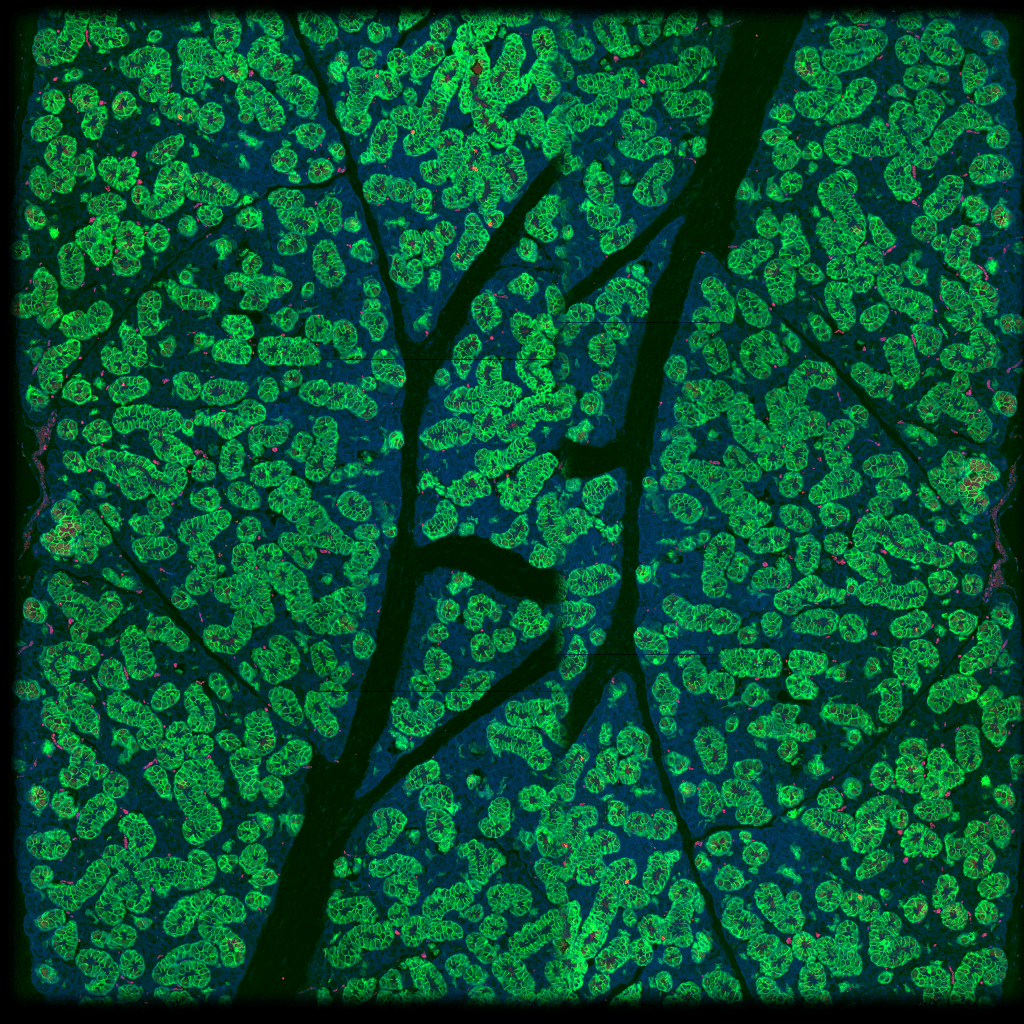
Understanding the function of major salivary glands as physiological rheostats of the gastrointestinal tract
I have recently elucidated an inter-organ connection between the gut and the salivary glands that respond to intestinal inflammation (Monasterio et al., Manuscript in preparation). In addition to their function of producing saliva for the moisturization and protection of the oral barrier, salivary glands are posited to serve more critical roles in gastrointestinal and systemic physiology. Pioneering studies from the 1980s have suggested that they function as both exocrine and endocrine organs. This leads us to hypothesize that salivary glands may respond to physiological circuits designed to adapt gastrointestinal barrier states to perturbations, thereby acting as physiological rheostats for endocrine, neural, or immune circuits. In our laboratory, we will undertake a further investigation of this hypothesis by employing various gastrointestinal perturbations, along with gain- or loss-of-function approaches, to assess both specific and general functions of the salivary glands. Furthermore, we will explore the circuits that interconnect compartments of the gastrointestinal tract with major salivary glands, examining how these circuits respond to and adapt gastrointestinal or systemic physiology in the face of challenges.
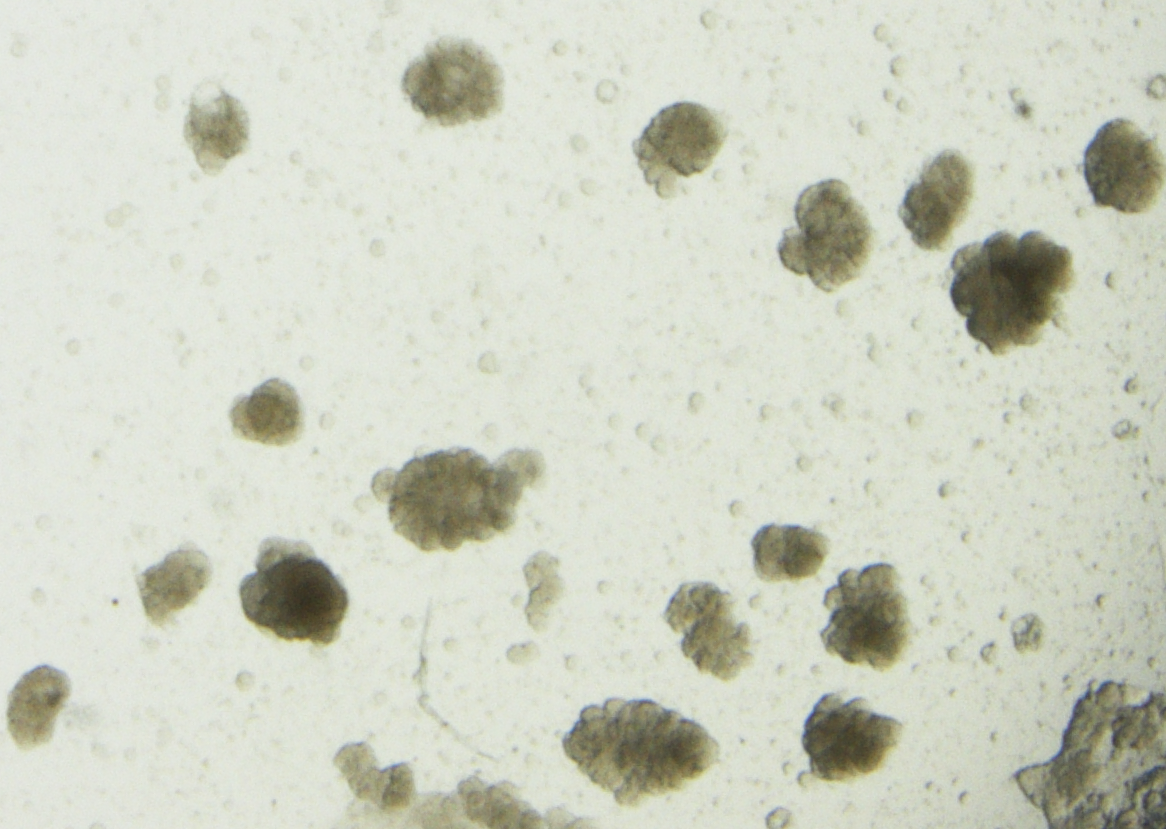
Investigating novel regenerative therapies to address salivary gland dysfunctions
When perturbations within a specific system are chronic or persistent, the adaptive capacity of the sensors, effectors, and affector organs may be exceeded. In alignment with our hypothesis that postulates salivary glands function as physiological rheostats, we propose that certain chronic conditions may surpass their adaptive capabilities, resulting in irreversible alterations to both their structure and function. Dysfunction of the salivary glands is observable across a spectrum of gastrointestinal or systemic disorders, in addition to being a side effect of existing therapies employed to address these conditions. At present, no therapies are available that fully restore their functions; rather, only palliative treatments exist to compensate for their moisturizing properties. Within our laboratory, we will examine regenerative pathways in both murine and human models, with the aim of restoring salivary gland functions in the context of gastrointestinal disorders, including inflammatory bowel disease, cancer, and their associated therapies.
 Monasterio Lab