
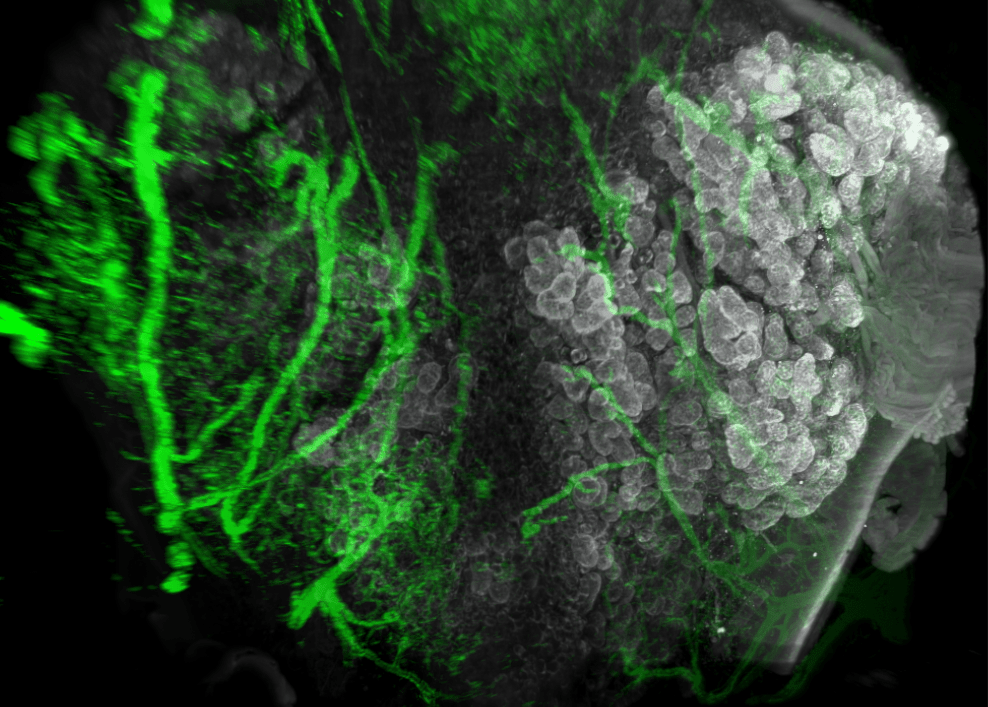
Studying the structure, development, and functions of a newly discovered organ
During my postdoctoral training, I identified a previously overlooked murine salivary gland (Monasterio et al., Manuscript in preparation), which catalyzed my interest in the broader implications of its existence. Within our research team, we will conduct an extensive investigation of this novel organ across various mammalian species, including rodents, primates, and humans, in order to provide a comprehensive overview of its biological significance. Our primary objective is to achieve a thorough understanding of its anatomy, evolutionary conservation, development, and physiology, thereby uncovering its functional relevance across diverse species. We will integrate the development of genetically modified mice and gain/loss of function approaches with animal models representative of various gastrointestinal perturbations, along with advanced microscopy and omics technologies such as transcriptomics, proteomics, and metabolomics, to elucidate the cellular and molecular mechanisms at play. This multifaceted approach will afford us a thorough understanding of its pivotal role in gastrointestinal tract mucosal immunity and physiology, particularly regarding its interactions with other systems to maintain homeostasis and respond to environmental challenges.
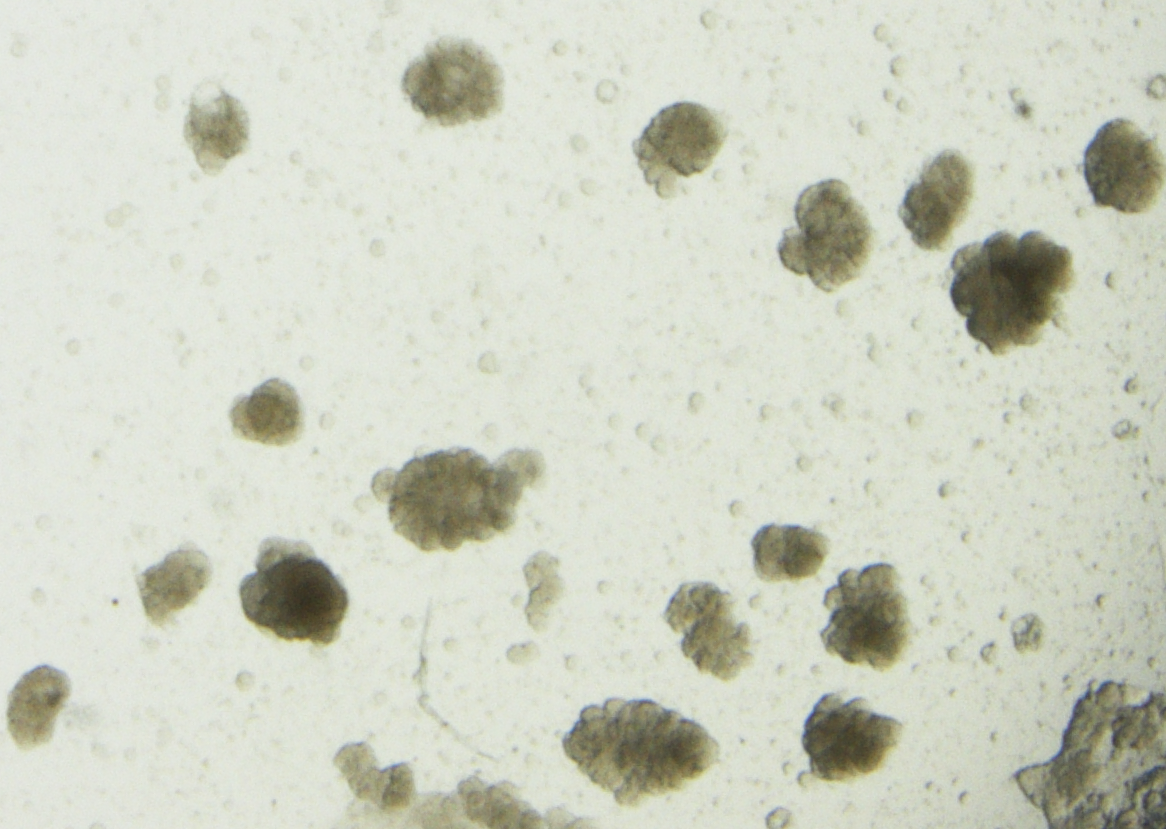
Investigating novel regenerative therapies to address salivary gland dysfunctions
When perturbations within a specific system are chronic or persistent, the adaptive capacity of the sensors, effectors, and affector organs may be exceeded. We propose that certain chronic conditions may surpass salivary glands adaptive capabilities, resulting in irreversible alterations to both their structure and function. Dysfunction of the salivary glands is observable across a spectrum of gastrointestinal or systemic disorders, in addition to being a side effect of existing therapies employed to address these conditions. At present, no therapies are available that fully restore their functions; rather, only palliative treatments exist to compensate for their moisturizing properties. Within our laboratory, we will examine regenerative pathways in both murine and human models, with the aim of restoring salivary gland functions in the context of gastrointestinal disorders, including inflammatory bowel disease, cancer, and their associated therapies.
 Monasterio Lab